Exactly How a Metal Foundry Adds to Lasting Metal Manufacturing Practices
Metal foundries play a vital role in promoting sustainability within the metal manufacturing market. By incorporating recycled materials, they reduce reliance on virgin resources and decrease ecological effects. Energy-efficient melting processes additionally lessen energy intake and emissions. The trip toward lasting techniques includes more than simply recycling and energy monitoring. It includes a broader commitment to ethical sourcing and ingenious innovations. The effects of these techniques are significant and warrant better assessment.
The Duty of Recycling in Metal Foundries
While metal manufacturing has actually commonly counted on virgin materials, the enhancing focus on sustainability has resulted in a considerable shift in methods, especially in metal foundries. Recycling has actually arised as an important element of this improvement, allowing foundries to repurpose scrap metal and minimize dependence on extracted sources. By integrating recycled products right into their processes, foundries not just decrease environmental impact but additionally reduced production expenses.
Using recycled metals, such as copper, steel, and aluminum, decreases energy usage and reduces greenhouse gas emissions connected with traditional mining and refining techniques. Moreover, foundries can accomplish top quality outcomes by utilizing sophisticated sorting and handling modern technologies to assure the pureness of recycled materials. This focus on reusing fosters a circular economic climate, where waste is reduced, and sources are made use of efficiently. As a result, metal foundries play an essential role in advertising lasting techniques within the metal production sector.
Energy-Efficient Melting Methods
Energy-efficient melting techniques are important for enhancing sustainability in metal manufacturing. These techniques substantially decrease power consumption during the melting procedure, which is one of one of the most energy-intensive stages in metal manufacturing. Technologies such as induction melting, resistance home heating, and microwave melting deal improved performance contrasted to conventional techniques. Induction melting, as an example, uses magnetic fields to generate heat directly within the metal, minimizing energy loss and supplying accurate temperature control.
Additionally, applying warmth recuperation systems can better enhance performance by capturing and recycling waste warmth produced throughout melting. Employing advanced insulation materials and maximizing furnace layouts also add to power financial savings. By adopting these innovative melting strategies, metal foundries can lower their carbon impact, minimize functional prices, and add to a much more sustainable production landscape. The combination of energy-efficient methods not just lines up with environmental goals however also fulfills the growing demand for responsible production methods in the metal sector.
Lasting Sourcing of Raw Materials
Lasting sourcing of basic materials is essential for lessening the ecological impact of metal production. This includes the increased application of recycled metals, the fostering of moral mining practices, and campaigns intended at local sourcing. By prioritizing these methods, the industry can advertise responsible source administration and assistance regional economies.
Recycled Metal Use
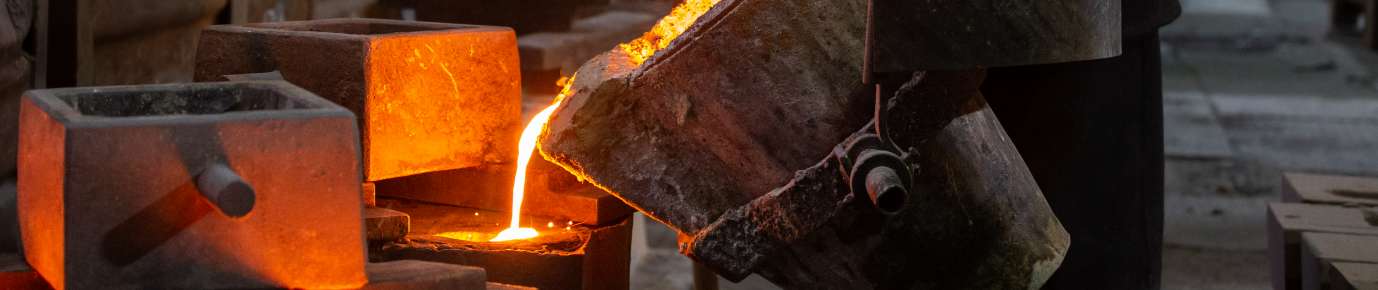
Just how can markets properly lower their ecological influence while satisfying the growing need for metal? One significant method is the application of recycled metal. By integrating scrap metal right into their manufacturing processes, foundries can decrease the removal of virgin materials, thus decreasing and preserving all-natural resources power usage. Recycled metals need much less energy to process contrasted to their raw equivalents, causing reduced greenhouse gas emissions. Furthermore, making use of recycled metal helps draw away waste from garbage dumps, advertising a circular economic climate. Industries that prioritize recycled metal not just contribute to sustainability yet likewise take advantage of price savings connected with lowered product procurement. Recycled metal usage stands as a necessary technique for ecologically accountable metal production.
Ethical Mining Practices
While the demand for steels proceeds to climb, industries are increasingly identifying the value of honest mining techniques in guaranteeing accountable sourcing of resources. Ethical mining incorporates a dedication to ecological stewardship, social duty, and adherence to reasonable labor techniques. Companies are now focusing on partnerships with mines that show openness in their procedures, decreasing eco-friendly effect and appreciating local neighborhoods. This method not only promotes a lasting supply chain but additionally improves the reputation of organizations involved. By executing rigorous standards and certifications, markets can deal with prohibited mining tasks and advertise the well-being of employees. Ultimately, honest mining practices contribute substantially to an extra lasting metal production community, aligning economic development with environmental and social integrity.
Local Sourcing Efforts

Advancements in Metal Casting Processes
Advancements in metal casting processes are changing the industry by integrating innovative recycling methods that minimize waste. Energy-efficient melting techniques are also being developed to reduce power consumption throughout production. In addition, using ingenious mold materials adds to boosted performance and sustainability in casting procedures.
Advanced Recycling Techniques
Advanced recycling methods are changing metal casting procedures, greatly enhancing sustainability in the industry. These advancements concentrate on redeeming and reprocessing scrap metal, significantly decreasing waste and the demand for virgin materials. Methods such as hydrometallurgy and pyrometallurgy allow foundries click this site to extract important steels from made use of components, making certain efficient resource application. Additionally, advanced sorting and filtration technologies improve the top quality of recycled metals, making them appropriate for high-performance applications. This not only lessens the ecological impact of metal production but likewise cultivates a circular economic situation by promoting the reuse of products. As these recycling methods remain to advance, they assure to even more improve operations within foundries and add to a much more lasting metal production landscape.
Energy-Efficient Melting Methods
While typical melting methods have actually long been the foundation of metal casting, current advancements have actually introduced energy-efficient techniques that considerably decrease power consumption and emissions. Technologies such as induction melting and electrical arc furnaces have actually obtained prestige, permitting exact control over temperature and lowering the requirement for nonrenewable fuel sources. These techniques not only enhance power performance however additionally promote much faster melting times, which equates to lower operational expenses. In addition, developments in warm recuperation systems make it possible for foundries to capture and reuse excess heat produced throughout the melting process. This all natural method to energy monitoring not only sustains lasting techniques yet also placements metal foundries as leaders in the change in the direction of greener manufacturing procedures, further lining up with worldwide sustainability goals.
Ingenious Mold Materials
As the demand for even more reliable and sustainable metal casting procedures expands, the exploration of ingenious mold and mildew products has actually ended up being a prime focus in the industry. Conventional mold materials usually add to ecological difficulties, prompting the search for choices that reduce waste and power consumption. Current advancements consist of the advancement of recyclable compounds and naturally degradable binders, which not only enhance mold and mildew performance but likewise decrease eco-friendly impact. Additionally, the usage of 3D printing technology in mold and mildew development permits complex layouts that decrease product usage and make it possible for rapid prototyping. These cutting-edge materials not only improve casting accuracy yet additionally straighten with sustainability goals, showcasing the sector's commitment to lowering its carbon impact while preserving high-grade manufacturing requirements.
Reducing Waste Via Advanced Modern Technology
Cutting-edge technologies are transforming the metal manufacturing industry by considerably decreasing waste and improving efficiency. Advanced data analytics and machine understanding algorithms allow foundries to enhance manufacturing processes, reducing and determining inadequacies scrap material. Smart sensors monitor tools performance in real-time, permitting for predictive upkeep that decreases downtime and waste generation. Furthermore, additive manufacturing techniques, such as 3D printing, permit the development of facility elements with minimal material use, noticeably lowering waste compared to conventional techniques.
Moreover, closed-loop systems are ending up being much more common, where scrap metal and byproducts are recycled like it back into the manufacturing cycle, ensuring that materials are made use of to their fullest possibility - Aluminum Foundry. This assimilation of modern technology not just advertises resource preservation yet additionally enhances the general sustainability of useful site metal production techniques. By embracing these developments, foundries can add to an extra sustainable future while maintaining competition on the market
The Impact of Foundries on Carbon Footprint Decrease
Foundries play a vital function in decreasing the carbon impact of the metal manufacturing industry by implementing numerous sustainable methods. By making use of energy-efficient technologies, such as electric arc heaters, these facilities considerably reduced greenhouse gas exhausts compared to standard techniques. Additionally, foundries significantly adopt renewable resource sources, which likewise lessens their dependence on nonrenewable fuel sources.
Reusing scrap metal is another crucial technique that foundries employ, preserving sources and lowering the need for virgin materials. This not just reduces waste yet also minimizes the energy-intensive extraction procedures connected with mining. The adoption of closed-loop water systems helps to minimize water usage and lower wastewater discharge, contributing to a much more sustainable procedure.
Through these initiatives, foundries show their commitment to ecological stewardship, causing a significant reduction in the general carbon footprint of the metal production market. Their ongoing initiatives are crucial in the change toward a much more sustainable industrial landscape.
Regularly Asked Inquiries
What Types of Metals Are The Majority Of Commonly Recycled in Foundries?
Aluminum, steel, copper, and brass are among one of the most generally recycled metals in foundries. These steels are favored due to their high recycling prices, financial value, and prevalent accessibility, adding greatly to industrial sustainability efforts.
How Do Foundries Make Certain the Top Quality of Recycled Products?
Foundries determine the quality of recycled materials with strenuous screening, arranging, and filtration procedures. They implement innovative innovations to assess make-up and eliminate pollutants, ensuring that the recycled steels fulfill sector criteria for performance and safety and security.
What Qualifications Exist for Sustainable Foundry Practices?
Numerous qualifications exist for sustainable foundry techniques, consisting of ISO 14001 for environmental monitoring, ISO 50001 for energy monitoring, and LEED accreditation for sustainable structure practices (Aluminum Casting). These qualifications help guarantee adherence to environmental and sustainability requirements in operations
How Do Foundries Gauge Their Carbon Impact Reduction?
Foundries gauge carbon impact reduction with devices like lifecycle evaluations, power audits, and exhausts tracking systems. They contrast baseline exhausts to current outputs, evaluating renovations in power performance, product usage, and renewable energy fostering over time.
What Are the Economic Benefits of Lasting Metal Production?
Lasting metal manufacturing uses financial benefits such as reduced operational expenses, enhanced performance, boosted market competitiveness, and prospective government motivations. Additionally, it cultivates development and draws in environmentally conscious customers, inevitably driving long-term success for companies.
Metal foundries play an essential function in promoting sustainability within the metal production sector. While metal manufacturing has commonly depended on virgin materials, the boosting focus on sustainability has led to a significant change in methods, especially in metal foundries. By integrating scrap metal right into their production processes, foundries can lower the extraction of virgin materials, therefore preserving all-natural sources and lowering energy consumption. Foundries play a crucial role in minimizing the carbon impact of the metal production industry by executing various lasting methods. Reusing scrap metal is one more vital method that foundries utilize, saving resources and reducing the requirement for virgin materials.
Comments on “Ways modern Metal Foundry innovations boost productivity in manufacturing”